



Around 30% of skin collagen is lost in the first five years after menopause. That is not a marketing statistic — it is why everything changed at once, and why the products that worked before stopped working.
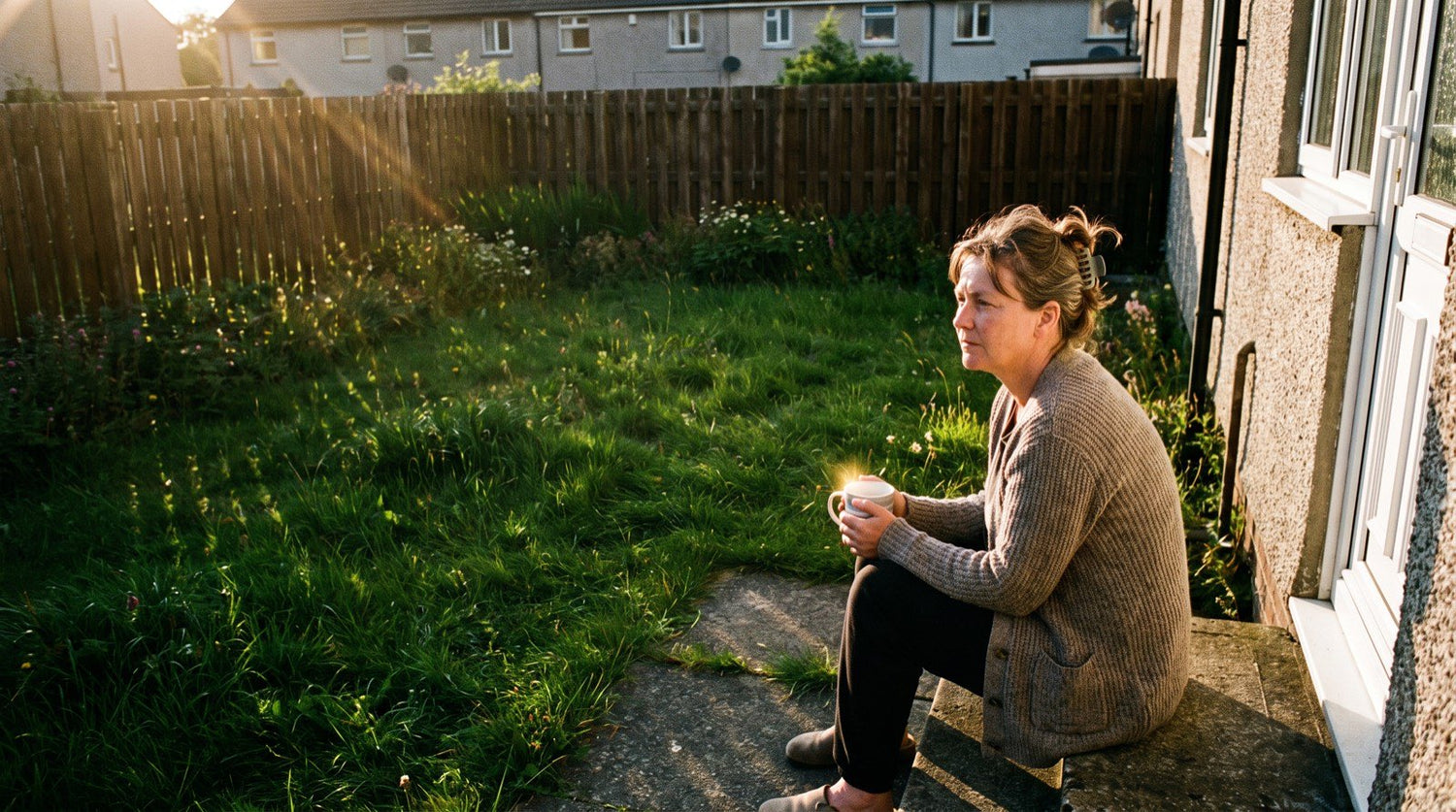
Most women expect the hot flushes. Very few are told what happens to their skin, which is why the change so often arrives as a private and slightly bewildering surprise: skin that is suddenly dry in a way moisturiser does not fix, itchy for no reason, and thinner across the hands and chest.
Here is what is actually happening, and what genuinely helps.
The mechanism, briefly
Oestrogen receptors are present throughout the skin. Oestrogen influences collagen production, skin thickness, hydration through hyaluronic acid, sebum output and wound healing. When it falls, all five change.
The often-cited figure is a loss of roughly 30% of skin collagen in the first five years post-menopause, followed by about 2% a year after that. The concentration of that loss in the early years is why it feels sudden rather than gradual.

What you will actually notice
Dryness that moisturiser does not fix
Two things at once: less sebum, so less of the oil film that slows evaporation, and less hyaluronic acid, so less water held in the tissue. A light lotion addresses neither. This is the change most women notice first.
Itching, often at night
Sometimes without any visible rash. Thinner, drier skin with a compromised barrier is more reactive to fabric, temperature and detergent. It is common and it is treatable — usually with a heavier occlusive and gentler washing rather than anything medical. If it is severe or you see a rash, see a doctor.
A sudden change in firmness
Collagen loss shows first where the skin is thinnest and least supported: the jawline, the neck, the backs of the hands, the chest.
Adult acne, which feels deeply unfair
Oestrogen falls faster than androgens, shifting the ratio. The result is jawline breakouts on skin that is simultaneously dry — which makes it a genuinely awkward thing to treat, since the usual acne products strip a barrier that cannot afford it.
Slower healing and more visible pigmentation
Marks that used to fade in a fortnight take two months. Sun damage accumulated over decades surfaces now.

What actually helps
Change the cleansing, first
Before buying anything, stop stripping. Lukewarm water, a non-foaming cleanser, once a day. Most of the dryness people try to treat with expensive creams is being manufactured every morning at the sink.
Occlusion, properly applied
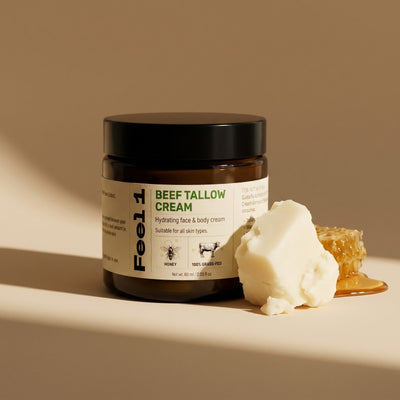
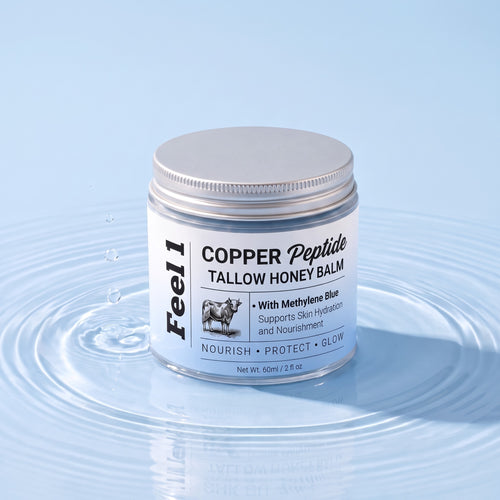
For skin that has stopped making its own oil, an occlusive layer is not a luxury step — it is the replacement for something you no longer produce. Applied to damp skin, as the last step, it does more for post-menopausal dryness than any serum.
Ingredients that support what has been lost
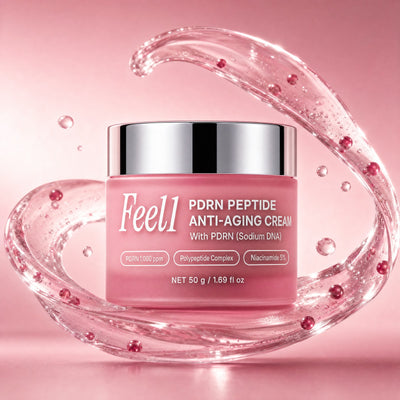
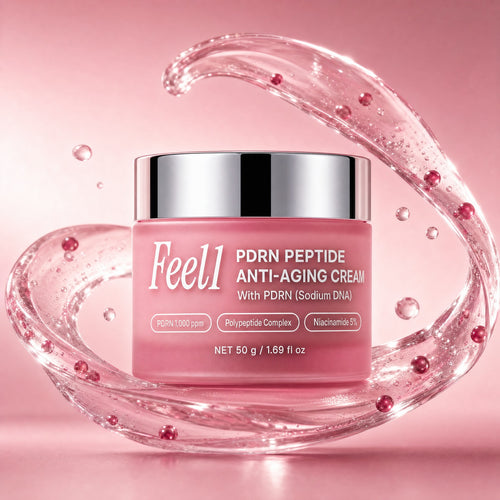
- PDRN — strongly water-binding and soothing, which addresses both the dehydration and the reactivity. See what is PDRN?
- Peptides, particularly copper peptides — supporting collagen production, which is precisely the thing that dropped.
- Niacinamide — barrier support and pigmentation, well tolerated.
- Hyaluronic acid — replacing a molecule the skin makes less of, on damp skin and always sealed.
Things that matter beyond skincare
Sleep, which affects skin repair directly and is often the first casualty of menopause. Protein intake, since collagen is built from amino acids. Sun protection, which now has less collagen to protect. And HRT, which does have documented effects on skin thickness and collagen — a conversation for your doctor, not an article, but one worth having if you are weighing it up for other reasons anyway.

A realistic timeline
| Week 1 | Comfort. Less tightness, less itching. This comes from the cleansing change and the occlusive, and it is quick. |
| Weeks 4–6 | Texture and tone look more even. Fine dehydration lines soften. |
| Weeks 8–12 | Whatever firmness change you are going to get from peptides. Modest and real. |
| Ongoing | Maintenance. The underlying collagen loss continues; the aim is to slow the visible expression of it. |
What no topical product can do
Replace the oestrogen. Reverse collagen already lost. Restore skin thickness to what it was at forty. Anyone selling a cream on those terms is selling a story.
What a good routine does is keep the skin comfortable, hydrated and as resilient as it can be, and slow the rate at which the change shows. That is a worthwhile and achievable goal, and it is a different one from the promises on most packaging.
Frequently asked
Is menopausal itching normal?
It is common, and usually down to dryness and a thinner barrier. Persistent itching with a rash, or itching that disturbs your sleep, deserves a doctor's opinion rather than a cream.
Why am I getting spots at fifty-two?
The oestrogen-to-androgen ratio shifts. Treat gently — the same skin cannot take the products that worked for teenage acne.
Does HRT help skin?
There is evidence for effects on skin thickness, collagen and hydration. It is not prescribed for skin, and the decision belongs with your doctor alongside everything else it affects.
Is it too late to start?
No. The steepest loss is in the early years, but barrier condition and hydration respond at any age, and sun protection is worth starting on any day you happen to be reading this.