



Cold air, indoor heating and hot showers strip skin faster than anything you put on it can replace. Here is what actually helps — and where a balm stops being enough.
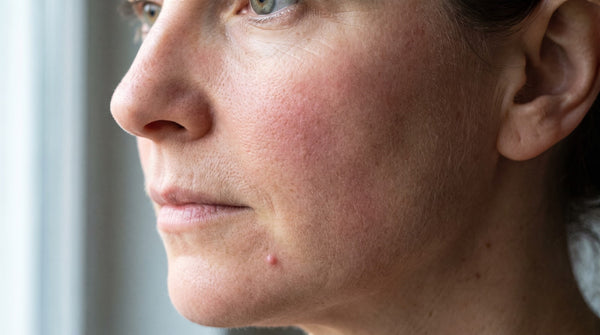
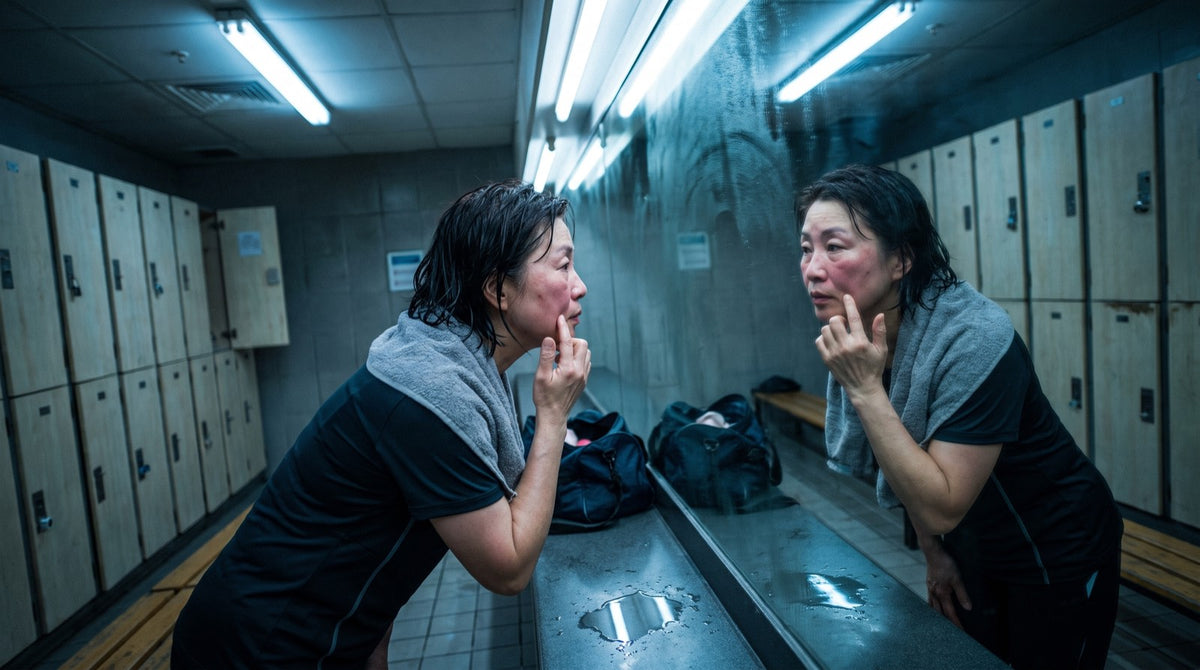
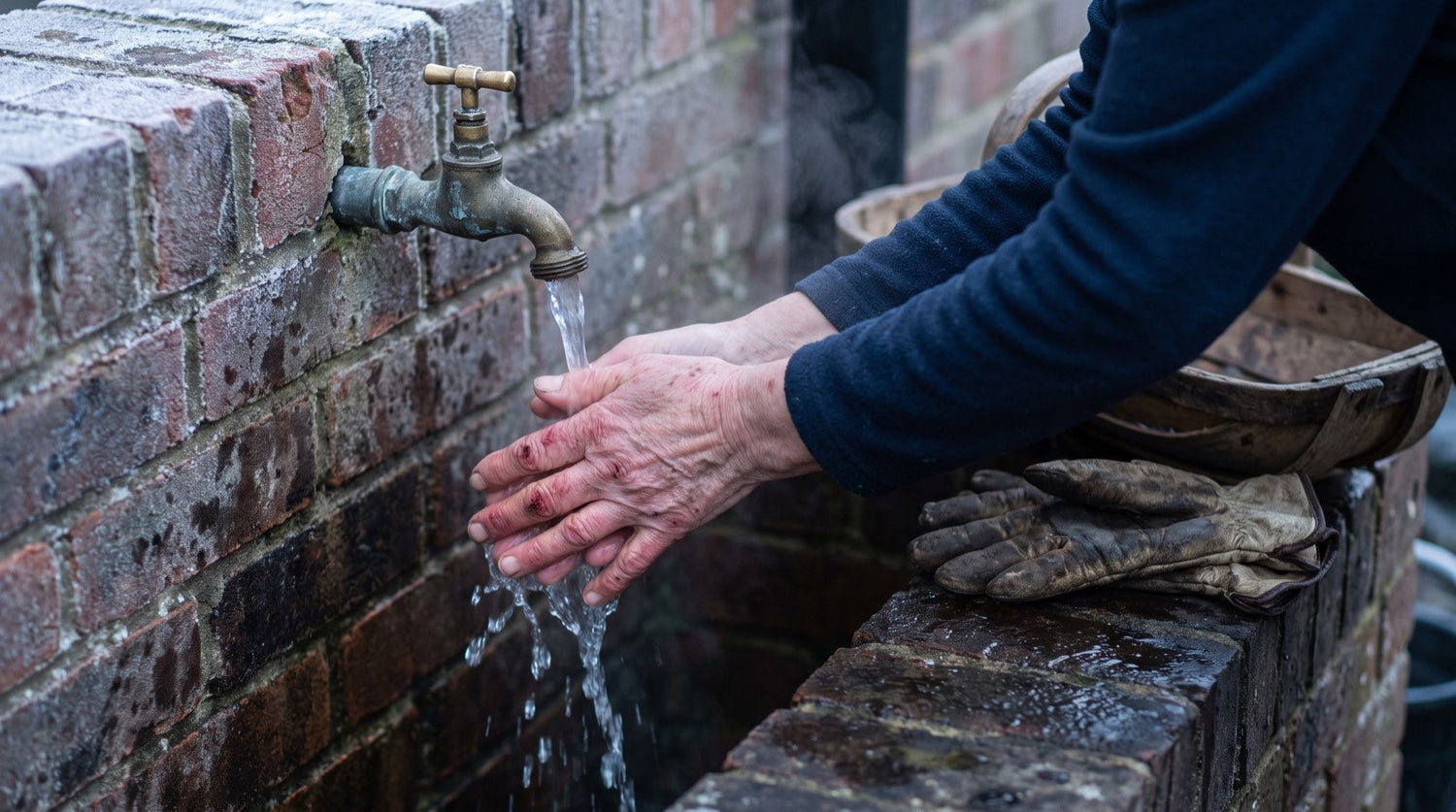
Every year, from roughly November, the same thing happens: hands crack across the knuckles, cheeks go rough and tight, the patch beside the nose starts flaking, and a moisturiser that was fine in September stops working. It isn't your imagination and it isn't your skin failing. It's physics.
Why winter does this
Cold air holds much less water than warm air. Indoor heating then warms that already-dry air without adding moisture, so relative humidity indoors in winter often sits somewhere between 20 and 30% — comparable to a desert. Skin loses water to the air around it, and the drier the air, the faster it goes.
Three things make it worse. Hot showers strip the surface lipids that slow that loss. Frequent hand washing does the same, repeatedly, in the place least protected by sebum. And skin's own oil production drops in the cold, precisely when you need more of it.
So winter dryness is mostly a water-loss problem, not a water-shortage problem. That distinction determines what actually works.

What a heavy balm does about it
An occlusive layer physically slows evaporation from the skin surface. It doesn't add water — it keeps the water that's already there from leaving. Applied to skin that is still damp, a good balm can cut water loss substantially for hours.
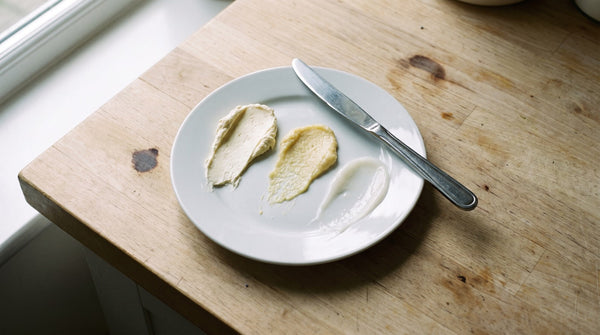
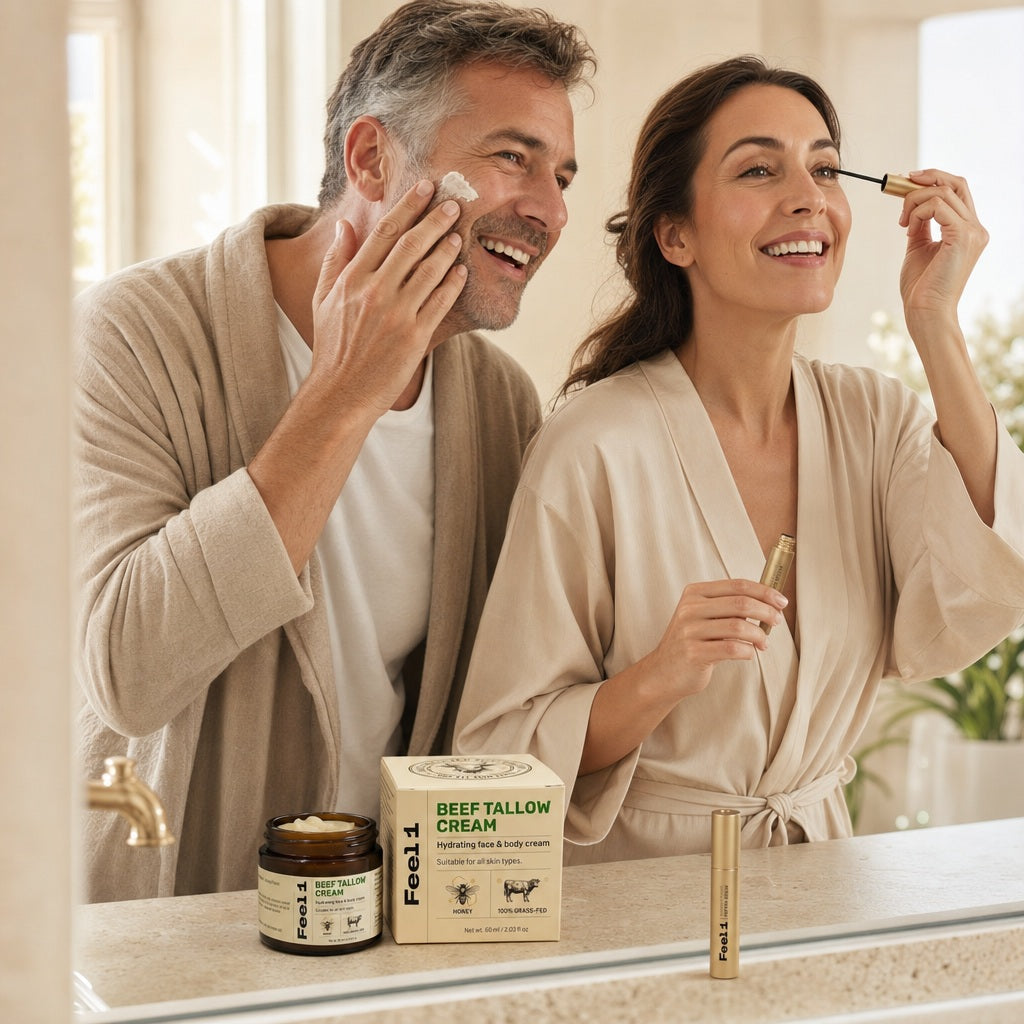
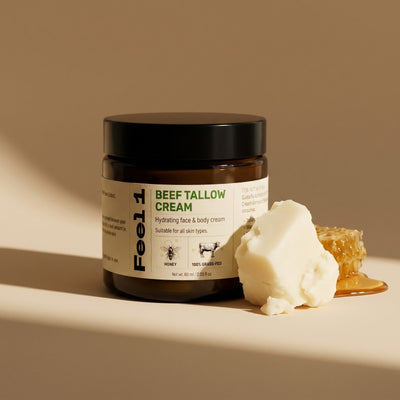
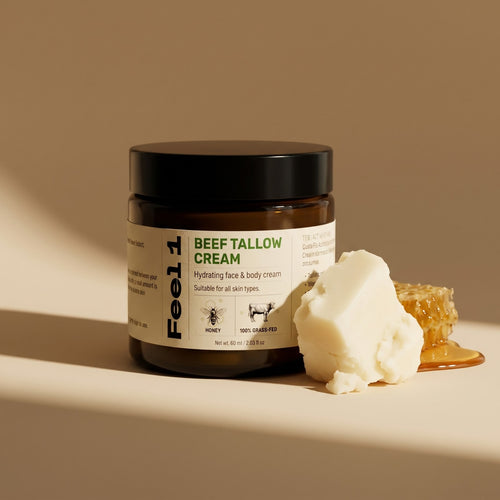
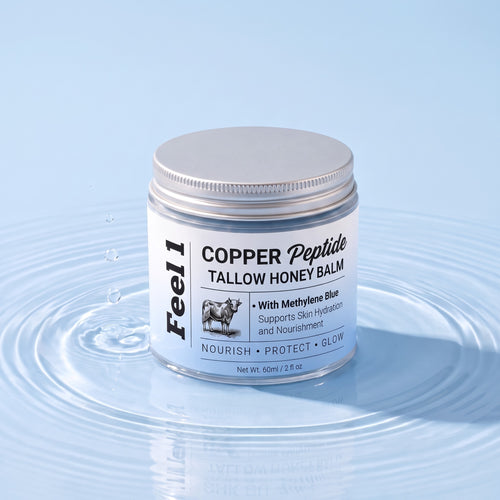
Tallow is well suited to this job for a straightforward reason: it is dense, it has no water phase of its own to evaporate, and its fatty acid profile — heavy in oleic, palmitic and stearic acid, with a small amount of palmitoleic acid — sits comfortably on skin. There's a fuller explanation in our guide to beef tallow for skin.
What matters more than the choice of balm is the timing. Applied to dry skin, an occlusive traps nothing and just sits there feeling greasy. Applied within a minute of washing, while the skin is still visibly damp, it does the whole job it's capable of.
The parts of the body that suffer most
Hands
The worst affected, because they get washed most and have the fewest oil glands. The single most effective habit is a balm at the sink after every wash, not once at bedtime — and a second application specifically before going outside, because wind removes surface moisture faster than cold alone.
For cracked knuckles that keep reopening, apply a thick layer at night and wear thin cotton gloves. It looks ridiculous and it works within about three nights.
Face, especially cheeks and around the nose
Switch to a non-foaming cleanser for the winter, use lukewarm rather than hot water, and stop exfoliating twice a week. Most winter facial irritation is over-cleansing plus cold, not lack of product.
Shins, elbows, heels
These have little sebum year-round and are usually under clothing that wicks moisture away. Balm straight out of the shower, on damp skin, before towelling completely dry.
Lips
A plain occlusive works. Anything with menthol, camphor or a strong flavour tends to make you reapply more often, which is good business and bad for your lips.

The things that help more than any product
- Turn the shower down. Hot water is the single biggest avoidable cause of winter dryness. Warm, and shorter.
- Put a bowl of water on the radiator, or run a humidifier in the bedroom. Getting indoor humidity from 25% to 40% does more overnight than any cream.
- Apply to damp skin, always. Repeated because it's the step everyone skips.
- Don't strip and then repair. A foaming cleanser followed by an expensive balm is two steps that cancel out.
- Wear gloves outside. Wind is a bigger factor than temperature.

Where a balm stops and a doctor starts
This part matters, and most articles on this subject skip it.
Eczema (atopic dermatitis), psoriasis and contact dermatitis are medical conditions with inflammatory mechanisms behind them. A rich emollient is a genuine and recommended part of managing them — dermatologists routinely advise frequent emollient use, and many people find a simple anhydrous balm more comfortable than a fragranced cream. But an emollient supports the skin; it does not treat the underlying inflammation.
See a doctor if any of the following apply:
- The skin is weeping, crusting, or the area is hot and spreading — that can be infection.
- Cracks are deep enough to bleed and haven't improved after a week of consistent care.
- The itch is disturbing your sleep.
- There's a clear rash with defined borders, rather than general roughness.
- It appeared suddenly and you've changed detergent, gloves or medication recently.
Nothing in this article is a substitute for that conversation, and a balm used alongside a prescribed treatment is a perfectly normal arrangement — apply the medication first, let it absorb, then the emollient on top unless your doctor says otherwise.
A simple winter routine
- Morning: rinse with lukewarm water only, or a cream cleanser if you wear makeup. Balm on damp skin. Sunscreen on top — winter UV is lower, not absent, and it still ages skin.
- After every hand wash: pat dry, leave slightly damp, balm.
- Evening: gentle cleanser, treatment products if you use them, balm last as a seal.
- Two nights a week: a thicker layer on hands with cotton gloves, or on heels with socks.
- Pause the actives if things are bad — retinoids and acids can wait two weeks while the barrier catches up.
What to expect
Comfort improves within a day or two: less tightness, less stinging when you wash. Visible roughness and flaking take longer, because that surface has to shed and be replaced — roughly two to four weeks depending on your age. Deep cracks close from the base and can take a fortnight of consistent care.
If nothing has improved after three weeks of doing the above properly, that's the point at which the problem probably isn't dry air.